
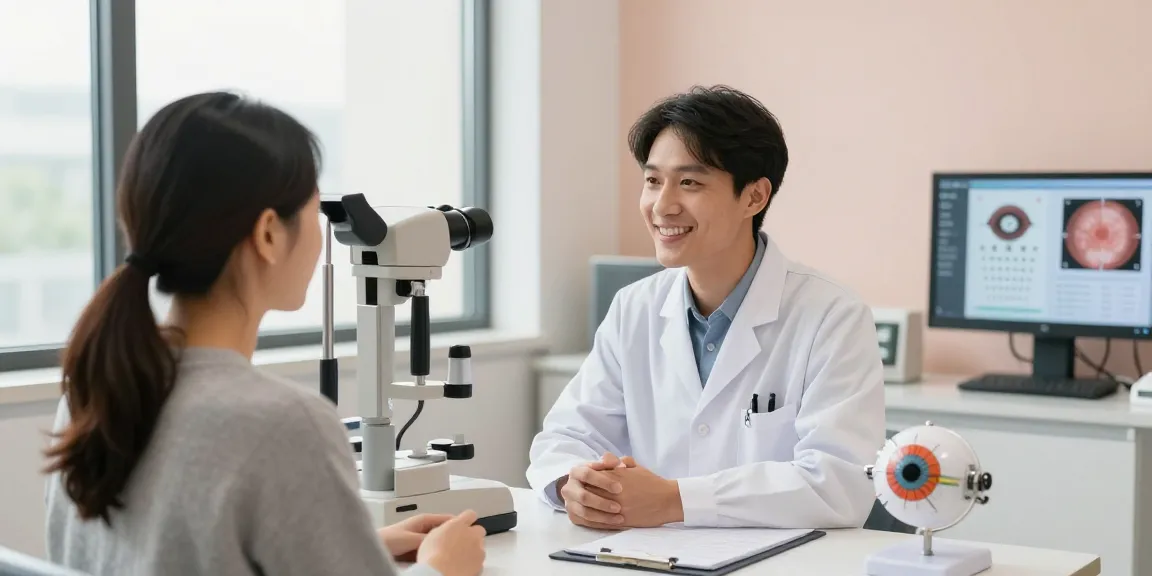
Understanding Eye Health: Key Insights and Testing Methods
Maintaining optimal eye health is essential for overall well-being, as vision significantly impacts daily life. At SNU Eye Clinic, we emphasize a comprehensive approach to eye care, offering a wide range of diagnostic tests to ensure every patient receives the most accurate assessments possible. Our method integrates advanced technology and skilled professionals, allowing us to cater to individual needs effectively. When exploring options, view doc source provides comprehensive insights into eye health and treatment solutions.
What Are the Top 52 Detailed Tests for Eye Health?
Our clinic utilizes a combination of 52 detailed tests categorized into seven main areas of eye health evaluation. These tests include:
- Visual Acuity Tests: Assessing how well a patient can see at various distances.
- Refraction Tests: Determining the exact prescription needed for corrective lenses.
- Visual Field Testing: Identifying any gaps in peripheral vision that could indicate underlying conditions.
- Ocular Pressure Tests: Measuring intraocular pressure to screen for glaucoma.
- Retinal Imaging: Using advanced imaging techniques to examine the retina and its health.
- Corneal Mapping: Analyzing the cornea’s shape and thickness for surgeries like LASIK.
- Optical Coherence Tomography (OCT): Providing high-resolution images of the eye’s internal structures.
Importance of Regular Eye Examinations for All Ages
Regular eye examinations are crucial for all age groups, as they help identify problems before they become serious. For children, vision correction can significantly affect learning and development; for adults, early detection of conditions such as diabetes-related eye problems or age-related macular degeneration can preserve vision and quality of life. Scheduling eye check-ups every one to two years is recommended, especially for those with a family history of eye disorders.
Common Eye Conditions Diagnosed with Advanced Testing
Advanced testing at SNU Eye Clinic allows us to effectively diagnose various eye conditions, including:
- Myopia and Hyperopia: Common refractive errors that affect normal vision.
- Astigmatism: Caused by an irregularly shaped cornea, leading to blurred vision.
- Dry Eye Syndrome: Affects comfort and can lead to inflammation and damage to the ocular surface.
- Cataracts: Clouding of the lens that can impair vision.
- Glaucoma: A group of eye conditions causing optic nerve damage, often due to high pressure.
- Retinal Detachment: A serious condition that requires immediate medical attention.
Innovations in Eye Surgery: Techniques and Technologies
The landscape of eye surgery has evolved dramatically over the years, leading to innovative techniques that enhance safety and efficacy. Our commitment to utilizing cutting-edge technology distinguishes SNU Eye Clinic as a leader in this field.
Overview of Available Eye Surgery Procedures Today
At SNU Eye Clinic, we offer a variety of surgical procedures tailored to individual needs, including:
- Laser-Assisted In Situ Keratomileusis (LASIK) for vision correction.
- Phacoemulsification for cataract removal, which utilizes ultrasound to break up the lens.
- Intracorneal Ring Segments (ICRS) for treating keratoconus.
- Implantable Collamer Lenses (ICL) for patients who are not suitable for LASIK.
- Corneal Transplants for those with severe corneal damage.
Success Rates: 50,000+ Surgeries and Their Outcomes
SNU Eye Clinic takes pride in our experience, having successfully performed over 50,000 eye surgeries. Our rigorous tracking of outcomes allows us to maintain high success rates, ensuring patient satisfaction and improved quality of life. Many patients report significant improvements in their vision, enhancing their daily activities and overall well-being.
What Makes SNU Eye Clinic’s Approach Unique?
Our approach combines personalized care with advanced technology. We focus on patient education, ensuring that individuals understand their options and what to expect from their procedures. Our specialized team of surgeons and ophthalmologists work collaboratively to achieve optimal results, making SNU Eye Clinic a trusted choice for eye care in Korea.
Personalized Eye Care: Tailoring Solutions for Every Individual
Eye care is not one-size-fits-all; each patient presents unique circumstances. At SNU Eye Clinic, we prioritize personalized strategies for vision correction, emphasizing individual needs through tailored care plans.
Understanding 1:1 Vision Correction Strategies
Our 1:1 vision correction strategy involves a detailed assessment followed by a customized treatment plan that aligns with each patient’s lifestyle and vision goals. This individualized approach ensures that the procedures chosen are the best fit for the patient’s specific needs.
How ICL and Toric ICL Procedures Work
The Implantable Collamer Lens (ICL) and Toric ICL are advanced solutions for vision correction. The ICL is inserted into the eye to correct nearsightedness or farsightedness, while the Toric ICL specifically addresses astigmatism. These procedures are ideal for patients who may not be suitable candidates for LASIK due to corneal thickness or other factors.
Personalized Care Plans and Patient Experience
Every patient journey at SNU Eye Clinic begins with a comprehensive consultation, where we discuss concerns, expectations, and treatment options. Post-operative care is equally personalized, ensuring that patients receive the support they need during their recovery process.
Addressing Common Challenges in Vision Correction
While advancements in technology have significantly improved outcomes, there are still challenges associated with vision correction that patients should be aware of.
Potential Risks and Complications in Eye Surgeries
As with any surgical procedure, there are inherent risks involved. Potential complications can include:
- Infection post-surgery.
- Unintended changes in vision.
- Dry eyes following surgery.
- Degrees of glare or halos around lights, particularly at night.
Our team extensively discusses these risks with patients, helping to mitigate fears and prepare them for any eventualities.
Debunking Myths About Eye Surgery Procedures
Misconceptions about eye surgery can deter patients from seeking needed treatment. Common myths include:
- Myth: Eye surgery is extremely painful. Fact: Most procedures are pain-free due to effective anesthesia and sedation.
- Myth: Eye surgery guarantees perfect vision. Fact: While many achieve excellent results, individual outcomes may vary.
- Myth: Recovery from eye surgery is very long. Fact: Most patients can resume regular activities within days.
What to Expect Post-Surgery: Recovery and Care
Following surgery, patients can expect a recovery period that often includes:
- Regular follow-ups to monitor healing.
- Instructions on how to care for the eyes post-operatively.
- Medications to prevent infection and manage discomfort.
- Gradual return to normal activities, tailored to each individual’s healing process.
Future Trends in Ophthalmology: What Lies Ahead?
The future of eye care holds exciting innovations that promise to enhance diagnosis, treatment, and patient outcomes.
Predictions for Advances in Eye Care Technologies by 2026
By 2026, advancements are expected in several key areas, including:
- Continued development of minimally invasive surgical techniques.
- Enhanced imaging technologies providing better diagnostics.
- Telemedicine integration for remote consultations and follow-ups.
- Biotechnology innovations leading to new treatment options for previously untreatable conditions.
The Role of AI in Personalizing Eye Health Solutions
Artificial Intelligence (AI) is set to play a significant role in customizing eye care. Machine learning can analyze vast datasets, providing insights that enhance diagnosis and treatment planning. AI algorithms can predict outcomes based on individual characteristics, allowing for a tailored approach to patient care.
Expert Opinions on Evolving Patient Needs in Eye Care
Experts predict that the demand for personalized and accessible eye care services will increase. Addressing diverse patient needs will become a priority, with an emphasis on education and awareness about eye health.
What Are the Benefits of Regular Eye Check-ups?
Regular check-ups allow for early detection of eye conditions, ensuring timely treatment that can prevent more severe complications. These examinations can also reveal underlying health issues such as diabetes or hypertension.
How to Choose the Right Eye Care Clinic for You?
Selecting an eye clinic should involve considering factors such as:
- Clinics that offer a wide range of services and up-to-date technologies.
- Qualified and experienced ophthalmologists with a track record of successful surgeries.
- Positive patient reviews and testimonials reflecting the quality of care.
- Opportunities for personalized care and follow-up.
What Innovations Should Patients Look for in 2026?
As technology evolves, patients should seek clinics that adopt:
- Innovative surgical techniques with minimally invasive options.
- Enhanced patient engagement through telehealth services.
- New treatment modalities for refractive errors and ocular diseases.
Can Vision Problems Indicate Other Health Issues?
Yes, issues with vision can often be an early sign of systemic health problems. Conditions like hypertension, diabetes, and autoimmune disorders can manifest symptoms within the eyes, making regular eye examinations a critical component of overall health monitoring.
What Are the Latest Developments in Vision Correction?
Recent advancements in vision correction include technologies like SMILE (Small Incision Lenticule Extraction), which offers advantages over traditional LASIK. This method experiences less corneal nerve disruption and promotes quicker recovery times.