
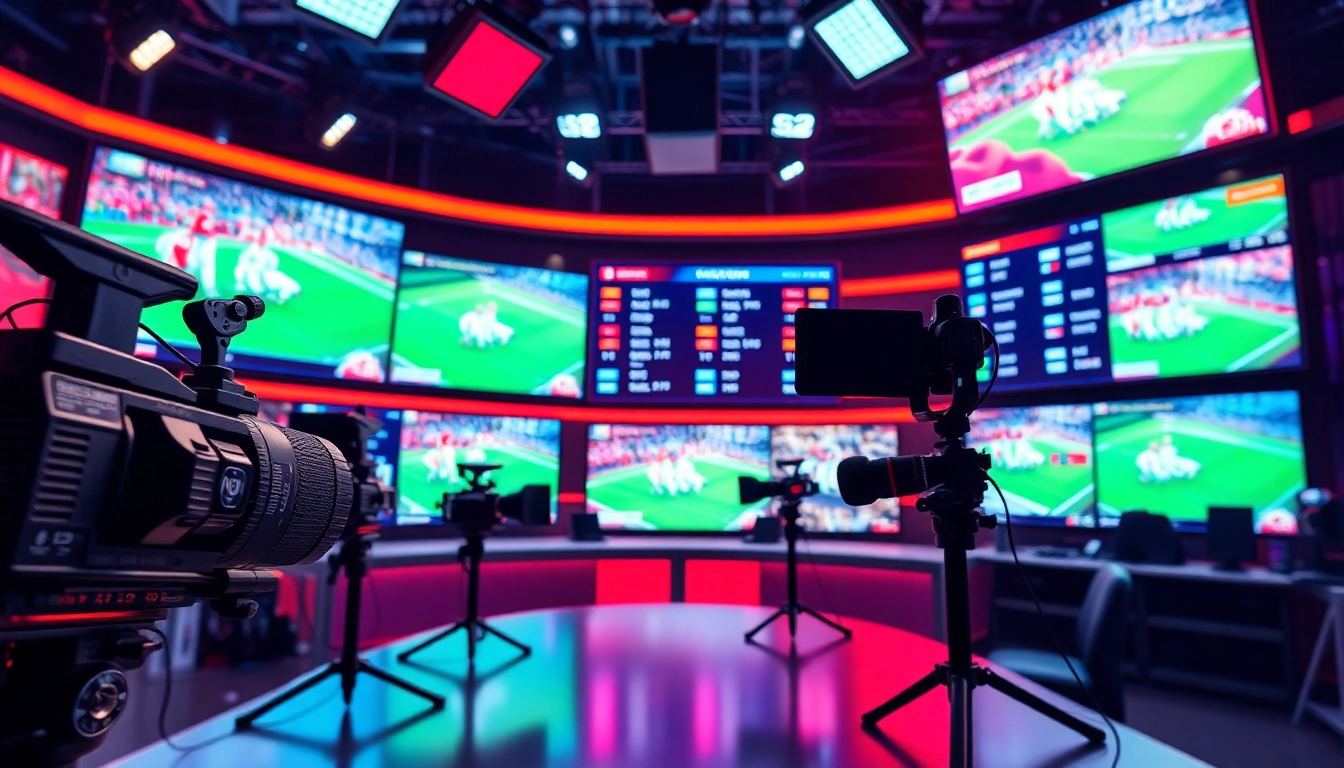
Understanding the Basics of Sports Broadcasting
Defining Sports Broadcasting
Sports broadcasting refers to the transmission of live or recorded sporting events to an audience through various media platforms, including television, radio, and online streaming services. This vital aspect of media plays a critical role in enhancing the visibility of sports, providing real-time updates to fans, and creating a shared experience around athletic events. As fans seek more personalized content, the demand for innovative Sports Broadcasting continues to grow exponentially, requiring broadcasters to adapt and evolve continually.
History and Evolution of Sports Broadcasting
The inception of sports broadcasting dates back to the early 1920s when radio became a prominent medium. The first live sports broadcast occurred in 1921, featuring a boxing match. This event marked the dawn of live sports commentary and analysis, creating a profound connection with audiences. With the advent of television in the 1950s, sports broadcasting took a significant leap forward; games became more accessible and appealing as visual content captivated viewers. The introduction of color television further elevated the viewer experience, granting fans a more immersive sight into their favorite sports.
As technology advanced, so did the methods of broadcasting. The rise of cable television in the 1980s allowed for dedicated sports channels, enhancing the specialization of sports coverage. With the arrival of the digital age, streaming platforms disrupted traditional broadcast models, putting sports fans in control of their viewing experience. The evolution of sports broadcasting reflects broader technological trends and the changing habits of consumers that prioritize interactivity and accessibility.
Key Components of Sports Broadcasting
At its core, sports broadcasting comprises several key components, including content production, distribution, and audience engagement. Content production involves event coverage, expert commentary, and analysis. Effective content requires a deep understanding of the sport and the ability to convey excitement and insights that resonate with fans.
Distribution encompasses how the content reaches its audience, whether through traditional television, radio, or emerging digital platforms. Successful sports broadcasters must adapt their strategies to leverage various platforms and technologies effectively. Lastly, audience engagement involves creating meaningful interactions with fans through social media, mobile apps, and community events, fostering loyalty and investment in the broadcasted content.
Technical Aspects of Sports Broadcasting
Equipment Essentials for Sports Broadcasting
The quality of sports broadcasting hinges significantly on the equipment used. Essential tools include high-definition cameras, microphones, and broadcasting software. HD cameras capture dynamic action with clarity, allowing fans to experience every thrilling moment. Microphones, ranging from handheld to lapel types, ensure that commentary and crowd noise enhance the viewing experience.
Moreover, control units and switchers help broadcasters manage multiple camera feeds, seamlessly transitioning between angles and enhancing storytelling. Portable broadcasting kits have also become essential, allowing for on-location reporting, which adds authenticity to sports coverage. Digital audio workstations and production software facilitate the editing and post-production work necessary to create polished broadcasts.
Signal Transmission Methods Explained
The transmission of signals in sports broadcasting varies according to the platform and technology used. Traditional broadcasting relies on terrestrial and satellite pathways, while digital broadcasting employs the internet, often referred to as over-the-top (OTT) services. Each method has its advantages; satellite broadcasts offer extensive coverage, while internet streaming allows for on-demand viewing, catering to modern audience preferences.
Additionally, the advent of 5G technology promises to revolutionize live broadcasting, significantly reducing latency and improving video quality. Given the increasing reliance on mobile devices, integrating 5G into sports broadcasting will enhance viewer experience and accessibility.
Best Software for Sports Broadcasting
The choice of software can dramatically influence the quality of sports broadcasting. Solutions ranging from OBS Studio (Open Broadcaster Software) to Wirecast enable seamless transitions between sources and live editing capabilities. These tools empower broadcasters to provide an engaging experience, combining live footage with graphics, ads, and commentary in real-time.
Furthermore, cloud-based solutions have emerged, allowing for remote production, collaboration, and storage of broadcast material. Software that includes analytics features can also help in understanding audience behavior and preferences, providing quantitative insights into viewer engagement that can inform future broadcasts.
Creating Engaging Content in Sports Broadcasting
Understanding Audience Preferences
Engaging content starts with a thorough understanding of audience preferences. Broadcasters must analyze demographics, viewing habits, and feedback to create relevant and appealing content. Surveys and social media engagement act as valuable tools in collecting audience insights, enabling broadcasters to tailor their offerings effectively.
Additionally, trends in sports consumption—such as the growing popularity of esports or increased interest in niche sports—suggest that personalizing content is essential for keeping audiences engaged and retaining their loyalty.
Strategies for Captivating Viewers
To captivate viewers, sports broadcasters must employ innovative storytelling techniques, focusing on narrative arcs that resonate with fans. Highlighting personal stories of athletes and showcasing behind-the-scenes content can foster emotional connections with audiences, enhancing the viewing experience.
Incorporating interactive elements, such as live polls or Q&A sessions during broadcasts, further engages viewers, making them feel like active participants rather than passive observers.
Developing Unique Sports Commentary
Commentary serves as a crucial aspect of sports broadcasting, providing context and analysis that enhance the viewer experience. Broadcasters must develop a unique commentary style that reflects their personality while delivering objective, insightful observations. Effective commentators should possess an in-depth knowledge of the sport, enabling them to draw connections and elaborate on critical moments in the game.
Offering a mix of humor, analysis, and storytelling can distinguish broadcasters in a crowded space, creating a memorable and enjoyable experience for viewers.
Optimizing Reach and Distribution in Sports Broadcasting
Leveraging Social Media for Audience Growth
Social media platforms have become invaluable tools for sports broadcasters, enabling them to reach broader audiences and establish a stronger presence. By sharing highlights, behind-the-scenes content, and engaging with fans, broadcasters can cultivate a vibrant community around their content.
Utilizing targeted advertising on platforms like Facebook and Instagram can also enhance visibility, drawing in new viewers who may not have engaged with the content otherwise. Developing a consistent posting strategy while staying attuned to trending topics ensures that content remains fresh and relevant.
Effective Marketing Strategies for Sports Content
Effective marketing strategies for sports content encompass a wide range of tactics from influencer partnerships to email newsletters. Collaborating with athletes and influencers can help in reaching their respective audiences, leveraging their follower base to increase visibility for broadcasts.
Running promotional campaigns around significant sports events can attract new audiences, while strategic SEO practices can help sports broadcasters rank higher in search results, increasing organic reach. Consistent branding across marketing materials strengthens brand recognition and loyalty.
Partnerships and Streaming Platforms
Building strategic partnerships with streaming platforms can optimize reach in sports broadcasting. Collaboration with established platforms can extend the audience significantly, providing mutual benefits to both parties. This might include exclusive broadcasting rights or co-productions, capitalizing on the unique strengths of both entities.
Furthermore, maintaining a robust distribution strategy involving both traditional broadcasters and digital platforms ensures that content is accessible to as many viewers as possible, catering to diverse preferences and consumption methods.
Measuring Success in Sports Broadcasting
Key Performance Indicators for Broadcasters
Measuring success in sports broadcasting requires a clear understanding of key performance indicators (KPIs). Metrics such as viewership numbers, engagement rates, and audience retention provide a comprehensive picture of performance. Broadcasters should also track revenue metrics, including advertising revenue and subscription fees, as these ultimately determine the business’s viability.
Using KPI analysis allows broadcasters to make informed decisions about content strategy, personnel, and equipment investments, fostering continuous improvement.
Analyzing Viewer Engagement Metrics
Engagement metrics reveal how audiences interact with content, guiding strategies to enhance viewer satisfaction. Metrics such as average watch time, social media interactions, and post-broadcast discussions reflect audience enthusiasm and interest levels.
Implementing analytics tools can provide deeper insights into viewer habits, from peak viewing times to popular segments, allowing broadcasters to refine their offerings to meet audience needs effectively.
Adapting to Industry Changes and Trends
To thrive in the fast-evolving landscape of sports broadcasting, adaptability is essential. Broadcasters must stay attuned to emerging trends such as virtual reality broadcasting, innovative production techniques, and changing viewer behaviors. Recognizing these trends early allows broadcasters to integrate new technologies and ensure they remain relevant in the competitive field of sports broadcasting.
Regularly reviewing and adjusting strategies based on market developments and audience feedback can result in a proactive approach, fostering resilience in an ever-changing industry.
Frequently Asked Questions
What is Sports Broadcasting?
Sports broadcasting is the transmission of live or recorded sporting events through various media forms such as television, radio, or online platforms.
How has Sports Broadcasting evolved?
Sports broadcasting has evolved from radio broadcasts in the 1920s to the advent of television, and now to live streaming on digital platforms, enhancing accessibility and viewer engagement.
What equipment is essential for Sports Broadcasting?
Essential equipment includes high-definition cameras, microphones, broadcasting software, and control units to manage feeds and content effectively.
How can social media help in Sports Broadcasting?
Social media aids sports broadcasting by facilitating audience engagement, promoting content, and sharing highlights, helping grow viewership and community interactions.
Why are KPIs important in Sports Broadcasting?
KPIs are crucial as they provide measurable insights into audience behavior, performance metrics, and financial success, allowing broadcasters to refine strategies effectively.